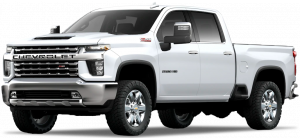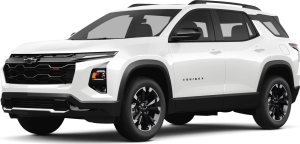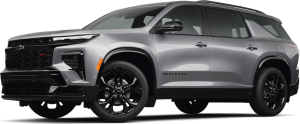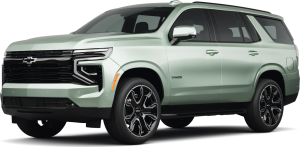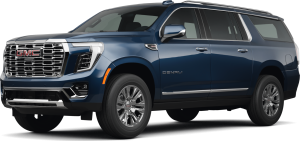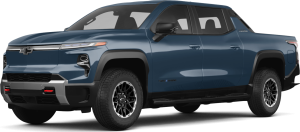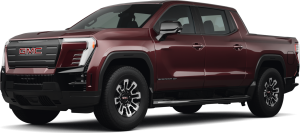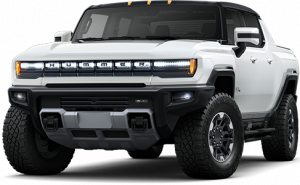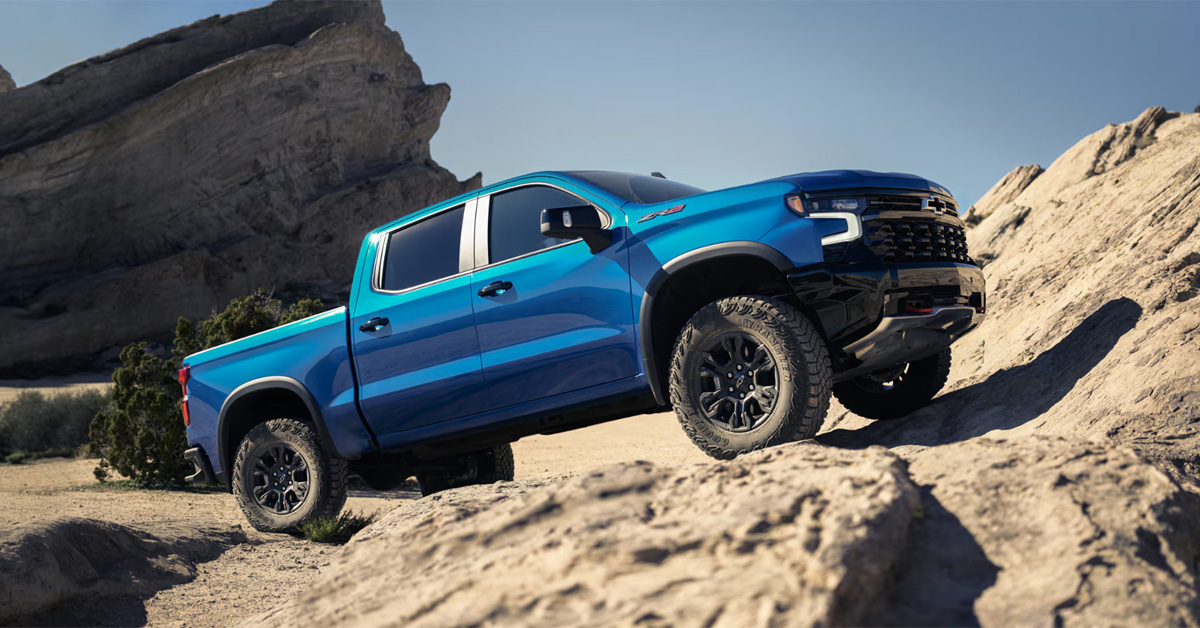
Preparing your Chevy for extreme cold starts with a strong battery, properly rated fluids, healthy tires, clear visibility, and essential emergency supplies. From the Silverado 1500, Silverado 2500, and Silverado 3500 to the Traverse, Trailblazer, Trax, and Equinox, a thorough winter check can help your vehicle handle freezing temperatures, snow, and icy roads with greater confidence. Dryden Chevrolet Buick GMC is here to help keep you and your vehicle ready for the road, with support for everything from sales and financing to service, parts, and more. Visit us or contact our team today for assistance with your Chevrolet and your winter driving needs.
How Can You Prepare Your Chevy’s Battery and Electrical System for Winter?
A strong battery is one of the most important parts of getting your Chevy ready for extreme cold. Freezing temperatures can reduce battery performance, so a battery that starts your vehicle easily in mild weather may struggle when the mercury drops sharply in Dryden or Kenora. As part of a Chevy winterize guide, checking the battery and charging system before winter can help prevent an inconvenient no-start situation.
What Should You Check on Your Chevy Battery?
Start with a battery test before the coldest weather arrives. A professional test can help determine whether the battery is holding an adequate charge and has enough starting power for winter conditions. While inspecting the battery, look for:
- Corrosion: Check the battery terminals and connections for buildup that could interfere with electrical flow.
- Battery condition: Have the battery tested to identify reduced capacity or other potential concerns.
- Connections: Make sure the terminals and cables are clean and securely connected.
- Charging system: Check that the alternator is functioning properly and keeping the battery charged.
This is particularly important for trucks such as the Silverado 1500, Silverado 2500, and Silverado 3500, which may face demanding workloads during the winter. Smaller and family-focused models, including the Traverse, Trailblazer, Trax, and Equinox, also depend on a healthy battery and charging system for reliable operation.
Why Does Cold Weather Affect Battery Performance?
Think of your battery like a runner heading into a race while carrying an extra load. As temperatures fall, the battery can provide less available power, while the engine may require more effort to start. If the battery was already weak before winter arrived, extreme cold can expose the problem quickly. That makes battery testing an important part of your Chevy cold weather prep checklist, rather than something to wait on until the vehicle refuses to start. Taking care of a questionable battery ahead of time can help you avoid being stranded on a particularly cold morning.
Which Fluids Should You Check Before Freezing Temperatures?
Fluids play a major role in keeping your Chevy operating properly when temperatures drop below freezing. As part of a Chevy winterization guide, check the coolant, engine oil, and windshield washer fluid before extreme cold arrives. The right fluids, at the right levels and specifications, can help your vehicle handle cold starts and winter driving more reliably.
Is Your Coolant Ready for Extreme Cold?
Coolant helps regulate engine temperature while also protecting the cooling system from freezing. Before winter, check the coolant level and condition, and make sure the antifreeze mixture meets the specifications recommended for your particular Chevrolet. A commonly used coolant mixture is 50/50 coolant and water, but your owner's manual should always be the final reference for the correct type and mixture. This check matters whether you're driving a Silverado 1500 to work, using a Silverado 2500 or Silverado 3500 for demanding jobs, or commuting in a Traverse, Trailblazer, Trax, or Equinox.
Does Your Chevy Have the Right Engine Oil?
Cold temperatures can make engine oil thicker, which can make cold starts more demanding. Using the oil viscosity recommended in your owner's manual helps ensure the oil is appropriate for your engine and expected operating conditions. As you prepare your Chevy for extreme cold in 2026, check both the oil level and the recommended viscosity for your specific engine. If an oil change is due, taking care of it before the coldest weather arrives can be a smart addition to your winter maintenance routine.
Should You Replace Your Windshield Washer Fluid?
Regular washer fluid may not be designed for freezing conditions. Replace it with a winter-grade, freeze-resistant formula that is suitable for cold weather and helps prevent the fluid from freezing in the reservoir, lines, or on the windshield. Good visibility is essential when snow, slush, and road spray are common around Dryden and Kenora. Keeping the reservoir filled should be a simple but important item on your Chevy cold weather prep checklist.
How Should You Prepare Your Chevy Tires for Snow and Ice?
Tires are your Chevy’s direct connection to the road, making their condition especially important when snow and ice arrive. As part of a Chevy winterization guide, check tire pressure, tread depth, and overall tire condition before temperatures drop sharply. Proper preparation can help your vehicle maintain traction and stability when winter roads become slippery.
Why Does Cold Weather Affect Tire Pressure?
Cold air causes tire pressure to decrease. A general guideline is that tires can lose approximately 1 to 2 PSI for every 10 degrees of temperature change, so pressure that was correct during milder weather may be lower after a significant temperature drop. Check your tires when they are cold and inflate them to the pressure recommended by Chevrolet. Do not use the maximum PSI printed on the tire sidewall as the target. This check is important for everything from a Silverado 1500 used for daily driving to a Silverado 2500 or Silverado 3500 handling winter work. It also applies to SUVs and crossovers such as the Traverse, Trailblazer, Trax, and Equinox.
Is Your Tire Tread Ready for Winter Roads?
Adequate tread gives your tires a better opportunity to maintain contact with the road when conditions become snowy or icy. Before winter, inspect the tread for excessive wear and look over the sidewalls for visible damage. Consider checking for:
- Uneven tread wear
- Low tread depth
- Cracks or other visible damage
- Punctures or objects embedded in the tire
- Signs of improper inflation
If you regularly encounter heavy snow and ice around Dryden or Kenora, dedicated winter tires may also be worth considering. A tire professional can help determine whether your current tires are appropriate for your typical winter driving conditions.
How Can You Improve Visibility and Winter Driving Safety?
Winter driving can change quickly. Snow, slush, freezing rain, road spray, and reduced daylight can make it harder to see what is ahead, so maintaining clear visibility should be an important part of your Chevy winterize guide. Whether you're driving a Silverado 1500 to work or taking a Traverse through winter conditions, simple preparation can make it easier to see and respond to changing road conditions.
Are Your Wiper Blades Ready for Winter?
Wiper blades have an important job when snow and slush cover the windshield. Worn, cracked, or damaged blades can leave streaks behind, reducing visibility when you need a clear view of the road. Before freezing temperatures arrive, check your wipers and replace them if they no longer clear the windshield effectively. Winter-grade blades may also be useful in areas that regularly experience snow and ice. Don't forget the windshield washer fluid. A freeze-resistant, winter-grade formula can help keep the windshield clear without allowing the fluid to freeze in the reservoir or lines.
What Should You Check for Better Winter Visibility?
As you prepare your Chevy for extreme cold in 2026, take a few minutes to inspect the equipment that helps you see and be seen. Your Silverado 2500 or Silverado 3500 may face snowy work roads, while a Trailblazer, Trax, or Equinox might handle daily commutes around Dryden and Kenora. Either way, visibility matters. Add these items to your Chevy cold weather prep checklist:
- Replace worn or damaged wiper blades.
- Fill the reservoir with winter-grade washer fluid.
- Keep windows and mirrors free of ice and snow before driving.
- Clear snow from headlights and exterior lights.
- Make sure your windshield remains clean inside and out.
- Remove accumulated snow from the vehicle before getting on the road.
The Silverado 1500, Silverado 2500, Silverado 3500, Traverse, Trailblazer, Trax, and Equinox can all benefit from the same basic visibility checks. Taking a few minutes before leaving can be worthwhile when winter weather reduces your view. If your Chevrolet needs new wiper blades, seasonal maintenance, or a broader winter inspection, Dryden Chevrolet Buick GMC is ready to help. Contact our service team today and get your Chevy prepared for safer winter driving.
What Should You Keep in a Chevy Emergency Kit?
Even a well-maintained Chevy can encounter unexpected trouble when winter conditions become severe. A basic emergency kit gives you useful supplies if you experience a breakdown, become stuck in snow, or need to wait for assistance during extreme cold. It is a simple addition to your Chevy winterize guide, especially for drivers traveling through rural or remote areas around Dryden and Kenora.
Which Winter Emergency Supplies Should You Carry?
Your emergency kit does not need to take up much space. Start with the essentials and add items based on your typical winter driving conditions. A useful Chevy cold weather prep checklist can include:
- Jumper cables: Helpful if your battery loses power and another vehicle is available to provide a jump.
- Flashlight: Keep a working flashlight available for nighttime emergencies, along with spare batteries if needed.
- Warm clothing: Pack gloves, a hat, and extra layers in case you are waiting outside the vehicle.
- Small blanket: Provides an additional source of warmth if you become stranded.
- Ice scraper and snow brush: Keep windows, mirrors, lights, and other surfaces clear of ice and snow.
- Basic emergency supplies: Consider carrying additional items that may be useful for your usual routes and winter conditions.
Does Your Chevy Have Enough Room for an Emergency Kit?
The right place to store your supplies depends on the vehicle and how much cargo space you normally have available. A Silverado 1500, Silverado 2500, or Silverado 3500 can accommodate a larger winter kit, which may be useful for drivers who spend significant time on the road or at job sites. SUVs such as the Traverse and Equinox also offer practical cargo space for keeping winter essentials readily accessible. Even the more compact Trailblazer and Trax can carry a small emergency kit without requiring much room. Before heading out, make sure your supplies are secure and easy to reach. You do not want to discover that your flashlight or warm clothing is buried underneath everything else when you need it most.
What pre-winter checks should owners perform to prepare a Chevy for extreme cold?
Check the battery, tires, engine oil, coolant, windshield washer fluid, lights, brakes, and wipers before temperatures drop.
Which fluids, batteries, and tire choices help Chevys start and run reliably in subzero temps?
Use the manufacturer-recommended fluids, a properly rated battery, and winter-rated tires with adequate tread and correct pressure for dependable cold-weather performance.
Are there specific factory-recommended winter service items for Chevy trucks and SUVs?
Follow the maintenance schedule in your Chevrolet owner’s manual and have critical systems inspected before severe winter conditions.
How should owners store or prep summer tires and swap to winter tires on a Chevy?
Have winter tires installed when temperatures consistently fall below about 7°C, and store summer tires clean, dry, and protected from sunlight.
What emergency kit items should Chevy drivers keep onboard for cold-weather breakdowns?
Keep blankets, warm clothing, gloves, a flashlight, jumper cables, an ice scraper, a first-aid kit, water, snacks, and basic roadside supplies in the vehicle.
Are You Ready for Winter Driving?
Preparing your Chevrolet before extreme cold arrives can help you feel more confident when winter weather settles in around Dryden and Kenora. From checking your battery and fluids to inspecting your tires and keeping an emergency kit onboard, a few preventative steps can go a long way toward keeping your vehicle ready for the road. When you are ready for your next Chevrolet, Dryden Chevrolet Buick GMC offers a wide selection of vehicles to fit different driving needs. Browse options such as the Silverado 1500, Silverado 2500, and Silverado 3500 to the Traverse, Trailblazer, Trax, and Equinox, then contact our team for help with sales, financing, service, parts, and more.
What Else Can You Learn Before Choosing Your Next Vehicle?
Winter preparation is only one part of making the right vehicle decision for Canadian driving. If you're comparing brands, our guide to Chevy vs GMC vs Ford for Canadian drivers can help you consider the differences between these popular options. You can also review Buick SUV pricing in Canada for 2026 or learn more about Chevrolet truck pricing in Canada for 2026 as you narrow down your choices. Whether you need a capable truck for winter work or a versatile SUV for everyday travel, Dryden Chevrolet Buick GMC is here to help. Visit our dealership or contact us today to explore your options and get the support you need.
Contact Dryden Chevrolet Buick GMC
Get Directions to Dryden Chevrolet Buick GMC
Disclaimer: All information is provided for general informational and entertainment purposes only. While we strive for accuracy, we cannot guarantee that all content is complete, current, or error-free. Any reliance you place on such information is strictly at your own risk. This article may include opinions and is not endorsed by, or officially affiliated with, any vehicle manufacturer or brand. Always consult official sources – such as the vehicle’s owner’s manual, authorized dealerships, or certified professionals – for the most up-to-date and personalized information.