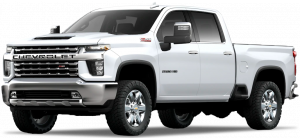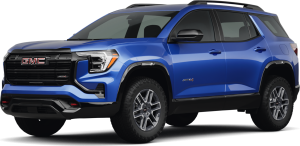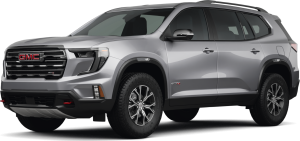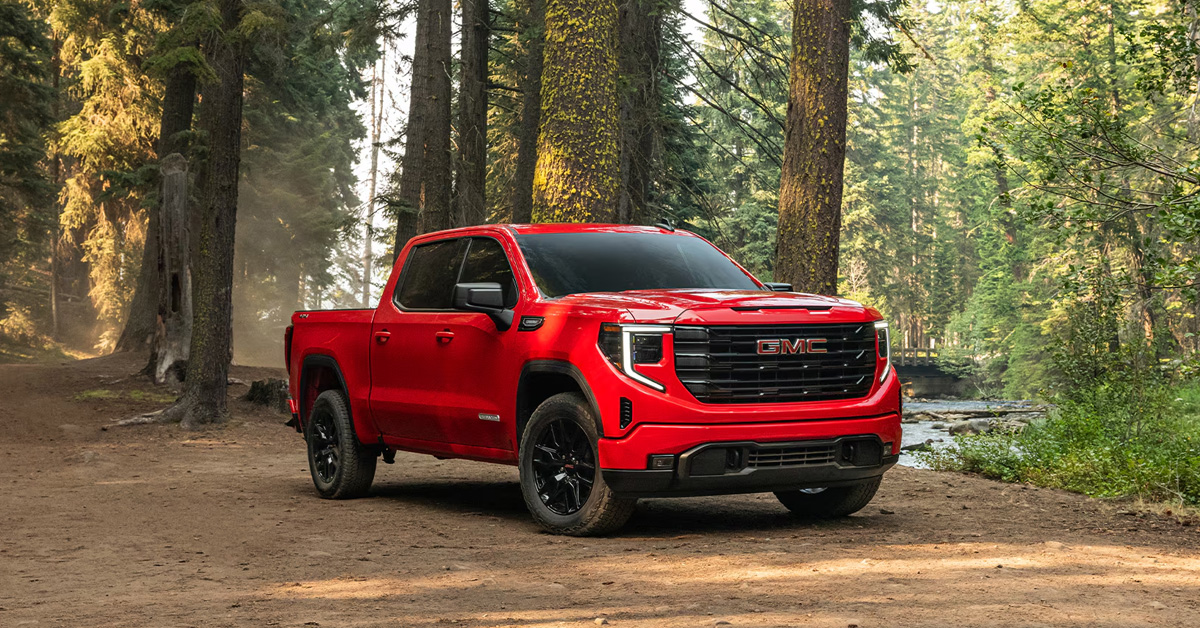
Preparing your GMC for extreme cold means checking the battery, tires, fluids, brakes, visibility systems, and emergency supplies before winter conditions become severe. A thorough GMC cold weather checklist can help your Sierra 1500, Sierra 2500, Sierra 3500, Terrain, or Acadia stay ready for cold temperatures, snow, and icy roads. At Dryden Chevrolet Buick GMC, we are here to help drivers in Dryden and Kenora, ON, with all their automotive needs. From sales and financing to professional service, genuine parts, and more, our team is ready to assist. Visit us or contact us today for help getting your GMC ready for the winter ahead.
How Can You Check Your GMC Battery Before Extreme Cold?
A strong battery is one of the most important parts of getting your GMC ready for winter. Freezing temperatures can reduce battery performance, so a battery that seems fine during milder weather may struggle when the temperature drops sharply. As part of your GMC cold weather checklist, inspect the battery before the coldest days arrive rather than waiting for a slow start or a no-start situation.
What Should You Check on the Battery?
Start with a quick visual inspection under the hood. Look for corrosion around the battery terminals, loose cable connections, damaged cables, or signs of leakage. Corrosion can interfere with the electrical connection, while loose or damaged connections can make starting more difficult. Pay attention to how your GMC starts, too. A slower-than-usual engine crank, dimming lights, or other electrical issues can be signs that the battery deserves closer attention. For a thorough GMC winter maintenance guide, consider these battery checks:
- Test battery health: Have the battery professionally tested, especially if it is more than three years old.
- Inspect the terminals: Look for corrosion and make sure the connections are secure.
- Check the cables: Look for visible damage, looseness, or deterioration.
- Pay attention to starting: Slow cranking can indicate a battery that is losing its ability to perform in cold weather.
- Inspect related electrical components: If starting or charging concerns are present, the starter and alternator may also need attention.
Why Does Cold Weather Affect a GMC Battery?
Extreme cold makes it harder for a battery to deliver the power needed to start the engine. At the same time, cold engine components can require more effort from the starter. That combination can turn a marginal battery into a frustrating problem on a freezing morning. Whether you're preparing a Sierra 1500, Sierra 2500, Sierra 3500, Terrain, or Acadia, battery condition deserves a place near the top of your winter preparation list. This is especially important for drivers around Dryden and Kenora, ON, where severe winter weather can make an unexpected breakdown much more inconvenient.
How Should You Prepare Your GMC Tires for Snow and Ice?
Your tires are the only part of your GMC that directly contacts the road, making their condition especially important when snow and ice enter the picture. As temperatures fall, tire pressure can decrease, and worn tread can reduce traction when roads become slippery. Checking your tires before winter weather arrives is an essential part of any GMC cold weather checklist.
What Should You Check Before Winter Driving?
Begin by checking the pressure of all four tires, along with the spare if your vehicle is equipped with one. Cold air causes tire pressure to drop, so a tire that was properly inflated during warmer weather may need additional air as temperatures fall. Always use the tire pressure recommended for your specific GMC, typically found on the vehicle information label or in the owner's manual. Next, inspect the tread and look for signs of damage. Uneven wear, cracks, bulges, or objects lodged in the tire can become bigger concerns during winter driving. As part of your GMC winter maintenance guide, check for:
- Proper tire pressure: Adjust pressure according to your GMC's recommended specifications.
- Adequate tread: Make sure the tires have sufficient tread for wet, snowy, and icy roads.
- Even wear: Look for differences in tread wear that could indicate an alignment or suspension issue.
- Visible damage: Inspect the sidewalls and tread for cuts, cracks, punctures, or bulges.
- Overall tire condition: Replace tires that are excessively worn or damaged.
Should You Use Winter Tires?
If you regularly drive through heavy snow, ice, or consistently freezing conditions, dedicated winter tires may be worth considering. Their rubber compounds and tread designs are engineered for improved performance in cold conditions compared with many all-season tires. That can be particularly useful whether you're driving a Sierra 1500 to work, using a Sierra 2500 or Sierra 3500 for winter jobs, or commuting in a Terrain or Acadia. Your GMC's drivetrain can help with traction, but it cannot compensate for tires that are improperly inflated, damaged, or worn.
Which Fluids Should You Check Before Driving Your GMC in Extreme Cold?
Fluids play an important role in keeping your GMC operating properly when temperatures fall below freezing. As part of a GMC cold weather checklist, check the coolant, engine oil, and windshield washer fluid before extreme weather arrives, and make sure each is appropriate for your vehicle and the expected temperatures.
How Does Coolant Help in Extreme Cold?
Engine coolant helps regulate engine temperature and protects the cooling system from freezing. Before winter, check the coolant level and look for signs of leaks around the reservoir, hoses, and other components. A proper coolant mixture is important when temperatures become extremely low. If the coolant is old, contaminated, leaking, or not providing the protection your GMC requires, have the system inspected by a qualified technician.
Is Your Engine Oil Ready for Freezing Temperatures?
Cold temperatures can affect how easily engine oil flows during startup. Using the oil viscosity recommended for your specific GMC and the expected operating conditions can help support proper engine lubrication when temperatures drop. Your GMC winter maintenance guide should include:
- Checking the engine oil level.
- Following the oil viscosity recommended in your owner's manual.
- Checking for leaks around the engine.
- Staying current with scheduled oil changes.
- Asking a technician about the appropriate oil for particularly cold conditions.
Whether you drive a Sierra 1500, Sierra 2500, Sierra 3500, Terrain, or Acadia, always follow the maintenance specifications for your particular engine and configuration.
Should You Replace Summer Washer Fluid?
Windshield washer fluid is easy to overlook until you try to clear road spray or frost from the windshield on a freezing morning. Summer formulas may not provide adequate protection in very cold conditions, so switch to a winter-rated fluid designed to remain usable at low temperatures. While checking fluids, take a moment to inspect the coolant hoses, belts, and surrounding components for visible cracks, leaks, or other signs of wear. Catching a small issue before a major temperature drop can save you from a much bigger inconvenience later.
How Can You Check Your GMC Brakes and Suspension for Winter?
Reliable brakes and a properly functioning suspension system become even more important when roads are covered with snow, ice, or slush. As part of your GMC cold weather checklist, inspect these systems before winter arrives so you can address wear or other concerns before they become more difficult to manage in freezing conditions.
What Should You Inspect on Your GMC Brakes?
Start by paying attention to how your GMC behaves when you brake. Grinding, squealing, pulling to one side, unusual vibrations, or a brake pedal that feels different than usual can indicate that the braking system needs attention. A basic winter inspection should include:
- Brake pads: Check for excessive wear and replace them when necessary.
- Rotors: Look for signs of damage, excessive wear, or corrosion.
- Calipers: Make sure they are functioning properly and show no obvious signs of damage.
- Brake lines: Inspect for corrosion, leaks, or other visible problems.
- Brake fluid: Check the level and condition according to your GMC's maintenance requirements.
Snow and ice can already make stopping more challenging. Starting the season with properly maintained brakes gives you a better foundation for handling changing road conditions.
Why Should You Check the Suspension Before Winter?
Your suspension helps keep the tires connected with the road, which is particularly important when pavement becomes uneven, wet, snowy, or icy. Worn suspension components can affect handling and ride quality, so winter is a good time to have the system inspected. Depending on your GMC model and equipment, a technician may check components such as shocks, struts, springs, bushings, and related hardware for signs of wear or damage. For a Sierra 1500, Sierra 2500, or Sierra 3500, suspension condition can be especially important when the truck is regularly used for hauling, towing, or demanding winter work. The same principle applies to an SUV such as the Terrain or Acadia, particularly when navigating slippery roads during everyday commuting.
What About Four-Wheel-Drive Systems?
If your GMC is equipped with four-wheel drive or other traction-related equipment, make sure those systems are operating properly before you need them. Having a technician inspect the relevant components can help identify potential issues before a major snowstorm or extended period of freezing weather. A thorough GMC winter maintenance guide should go beyond checking the engine. Brakes, suspension, and drivetrain components all contribute to how confidently your vehicle handles winter conditions.
How Can You Improve Visibility and Defrosting in Your GMC?
Clear visibility is essential when snow, frost, road spray, and winter darkness make driving conditions more difficult. As part of your GMC cold weather checklist, make sure your lights, wipers, washer fluid, heater, defroster, and rear defogger are all working properly before temperatures drop.
What Should You Check for Better Winter Visibility?
Start with the equipment you use every time you drive. Worn wiper blades can leave streaks across the windshield, while a low washer-fluid level can leave you unable to clear road grime when you need it most. Before winter arrives, check:
- Windshield wipers: Replace blades that are cracked, damaged, or leaving streaks.
- Washer fluid: Use a winter-rated formula designed to withstand freezing temperatures.
- Exterior lighting: Test headlights, taillights, brake lights, turn signals, and fog lights where equipped.
- Windshield condition: Keep the glass clean and check for damage that could interfere with visibility.
- Defroster and heater: Make sure warm air reaches the windshield, and the system operates as expected.
- Rear defogger: Test the system so you can clear frost or condensation from the rear glass.
Why Are Wipers and Washer Fluid So Important?
Imagine leaving for work on a freezing morning only to encounter a windshield covered in frost and road grime. If your wipers are worn or your washer fluid is not rated for freezing temperatures, clearing the glass can quickly become frustrating. A winter-rated washer fluid is designed to remain usable at lower temperatures, while fresh wiper blades can help provide a cleaner sweep across the windshield. These simple checks can make a noticeable difference during winter driving.
How Should You Prepare Your GMC Lighting?
Shorter daylight hours and winter weather can reduce visibility for both you and other drivers. Walk around your GMC and confirm that all exterior lights are operating correctly. Clean dirty lenses as needed and have any malfunctioning lighting addressed before winter travel. Whether you're driving a Sierra 1500, Sierra 2500, Sierra 3500, Terrain, or Acadia, good lighting and a clear windshield are important parts of safe winter preparation.
How Can You Protect Your GMC From Winter Salt and Road Grime?
Winter driving brings more than snow and ice. Road salt, slush, dirt, and moisture can collect on your GMC's exterior and underneath the vehicle, creating an environment that can contribute to corrosion over time. Keeping your vehicle clean throughout the season is a simple but important part of a GMC cold weather checklist, especially when winter roads around Dryden and Kenora, ON, stay wet and heavily treated.
How Often Should You Wash Your GMC in Winter?
You do not have to wait for a warm day to clean your vehicle. When conditions allow, regular washing can help remove salt and road grime before they remain on painted surfaces and underbody components for extended periods. Pay particular attention to areas where winter debris tends to collect, including:
- Wheel wells and around the tires
- Lower doors and rocker panels
- Underbody components
- Areas around the frame and suspension
- Exterior surfaces exposed to road spray
An underbody rinse can be especially useful after driving on heavily salted roads. Removing accumulated residue helps keep your GMC cleaner and can support long-term vehicle care.
Can Floor Mats Help Protect Your GMC's Interior?
Winter grime does not stay outside. Snow, water, salt, and mud can easily be carried into the cabin on shoes, where they can soak carpets and leave behind residue. All-weather floor mats or liners provide a practical barrier and make it easier to remove accumulated winter mess. Clean them regularly so moisture and salt do not remain inside the vehicle.
What Should You Check After Winter Driving?
A quick inspection can help you spot problems before they become more serious. When washing or cleaning your GMC, look for unusual corrosion, damaged trim, chipped paint, or areas where grime has built up. This is particularly worthwhile for a Sierra 1500, Sierra 2500, or Sierra 3500 that regularly handles work around snow and treated roads. The same care applies to a Terrain or Acadia used for everyday winter commuting. A thorough GMC winter maintenance guide should include both mechanical preparation and protection from the environment. Regular cleaning, underbody care, and interior protection can all be part of your effort to prepare your GMC for extreme cold in 2026. If your GMC needs a winter inspection or professional maintenance, Dryden Chevrolet Buick GMC is ready to help. Contact our team today for assistance keeping your vehicle prepared for the challenging winter conditions ahead.
What are the essential steps to winterize a GMC for extreme cold weather reliability?
Check the battery, tires, fluids, brakes, lights, wipers, belts, hoses, and heating system before severe cold arrives.
How can GMC owners test and maintain batteries, glow plugs (diesel), and heating systems before winter?
Test the battery and charging system, inspect diesel glow plugs, and verify that the heater and defroster produce adequate heat and airflow.
Which GMC-specific features (block heater, fuel additives) are recommended for very low temperatures?
Use an available engine block heater in extreme cold and only use fuel additives when they are approved for your specific GMC powertrain and conditions.
How often should GMC owners check antifreeze, belts, and hoses heading into winter?
Inspect coolant, belts, and hoses before winter and whenever routine maintenance or visible wear makes another inspection necessary.
Are there GMC trim-specific prep steps for heavy-duty or diesel variants?
Heavy-duty and diesel GMC models may require additional cold-weather checks for glow plugs, diesel fuel systems, block heaters, batteries, and other powertrain-specific components.
How Can Dryden Chevrolet Buick GMC Help With Your GMC Needs?
Preparing your GMC for harsh winter conditions is one part of keeping your vehicle dependable throughout the year. Drivers in Dryden and Kenora, ON, can continue exploring the selection at Dryden Chevrolet Buick GMC, including the Sierra 1500, Sierra 2500, Sierra 3500, Terrain, and Acadia. Whether you are looking for a capable truck for demanding winter work or an SUV for everyday travel, our team can help you find a GMC that fits your needs. You can also continue exploring our online resources for helpful information about ownership, maintenance, and accessories. Learn more about GMC truck pricing in Canada when comparing your next vehicle, or find what you need to order accessories for your Chevrolet, Buick, or GMC. If you are considering a midsize pickup, you can also learn more about how many kilometers a Chevy Colorado can last and what may affect long-term vehicle ownership. When your GMC needs service, parts, or routine maintenance before the next major snowfall, Dryden Chevrolet Buick GMC is here to assist. Contact our team today or continue exploring our website to find vehicles, services, parts, and resources for your automotive needs.
Contact Dryden Chevrolet Buick GMC
Get Directions to Dryden Chevrolet Buick GMC
Disclaimer: All information is provided for general informational and entertainment purposes only. While we strive for accuracy, we cannot guarantee that all content is complete, current, or error-free. Any reliance you place on such information is strictly at your own risk. This article may include opinions and is not endorsed by, or officially affiliated with, any vehicle manufacturer or brand. Always consult official sources – such as the vehicle’s owner’s manual, authorized dealerships, or certified professionals – for the most up-to-date and personalized information.